
mainly relies on trustworthy hospital equipment supplies to function efficiently. To understand the core principles of hospitals, we need to identify what lies behind every successful hospital and clinic. Every clinic and hospital needs to have a dependable network of hospital equipment supplies. The equipment ranges from simple diagnostics to sophisticated life-saving machines. The quality of the hospital equipment plays an essential role.
For hospitals and clinics, it is important to select the correct hospital equipment supply partners. It is not about the purchasing decision. It’s a long-term investment in patient safety and service quality.
This guide tries to explain what a hospital equipment system is, and why it matters, so that healthcare institutions can choose the right supplier and secure constant performance.
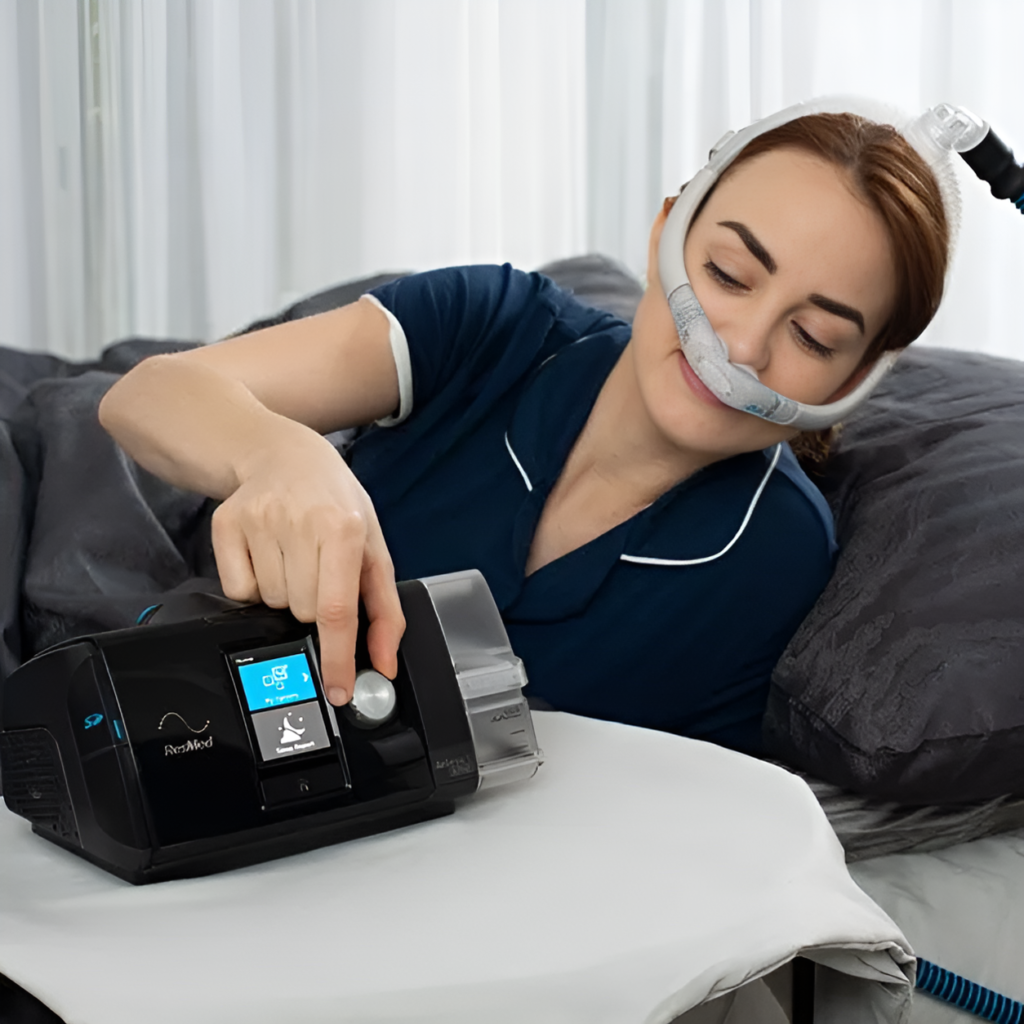
What are hospital Equipment supplies
Hospital equipment includes the tools and devices that every doctor and nurse uses in daily functions, such as diagnosing and monitoring patients. They were mainly needed for checking health, for the treatments, for monitoring and for maintaining the hospital functions.
They were from basic supplies, such as stethoscopes, and specialised medical tools, like surgical machines. Some of them were reusable, and some were one-time use items such as gloves, masks, and needles, etc.
Different departments require different tools. The emergency area requires quick testing and diagnostic tools, and the operation requires highly sterilised clinical equipment. Whereas clinics depend more on dependable equipment for regular checkups.
Hospitals manage to depend on trustworthy and dependable partners so that they can focus on taking care of their patients rather than worrying about the availability of the right equipment.
Main types of hospital equipment supplies
Hospital equipment can be mainly classified into different groups. By understanding these categories, hospitals can plan and purchase the right equipment proficiently. They were classified as follows:
Diagnostics Equipment’s
Diagnostic tools were used by the doctors to examine the medical condition of the patient. They play an important role in monitoring the health condition and in deciding the right treatment. A dependable diagnostic tool can reduce the chance of misdiagnosis and help doctors take action more quickly.
Examples:
- Blood pressure monitors
- Stethoscopes
- ECG machines
- Ultrasound systems
- Patient monitoring devices
- Thermometers
Patient Care Equipment
Patient care equipment is designed to facilitate recovery and to increase the comfort of patients during treatment.
Example
- Hospital beds
- Wheelchairs
- IV stands
- Infusion pumps
- Patient monitors
Modern hospitals constantly invest in advanced patient care equipment that helps in improving the monitoring and helps to build a better overall experience for the patients.
Laboratory Equipment
Medical laboratories need exclusive equipment to test and analyse. Precise laboratory outcomes are important in disease diagnosis and monitoring the treatments.
- Microscopes
- Centrifuges
- Blood analysers
- Lab refrigerators
- Sample storage systems
Quality laboratory equipment guarantees consistent results and helps an efficient workflow in diagnostic labs.
Disposable Medical Supplies
Disposable supplies are single-use and are rejected for maintaining hygiene and to reduce the chance of infection.
Examples
- Surgical gloves
- Face masks
- Syringes
- Gauze and bandages
- Disposable drapes
Infection control has become a top priority in healthcare, especially after recent global health challenges. Using high-quality disposable supplies helps hospitals maintain strict hygiene and protect patients from infection.
Why Quality Hospital Equipment Supplies Are Important
Doctors and nurses depend on medical equipment every day. Even a small fault can affect the treatment or set patient outcomes at risk. That’s why hospitals give importance to the quality and dependability of their supplies.
Patient Safety
The main reason for investing in high-quality equipment is to protect patients. Devices must work accurately and consistently. In case of any failure, such as wrong readings or complications during procedures, it affects the patient’s health.
Compliance with Standards
Healthcare units must follow strict safety and monitoring instructions. Certified medical supplies help hospitals stay compliant and meet these requirements.
Long-term Cost Efficiency
While quality equipment may cost more initially, it decreases the need for regular repairs or replacements. This makes it a smarter investment in the long run.
Significant Features When Selecting Hospital Equipment Supplies
Selecting the right supplier is just as important as selecting the equipment itself. Hospitals need to look at several factors before making a decision.
Product Quality and Certification
Medical equipment must meet international safety and quality standards. Certifications illustrate that the devices have been correctly tested and permitted for clinical use.
Supplier Dependability
Hospitals depend on a stable supply of equipment. A consistent supplier makes sure there are no shortages of essential items.
Product Variety
Easier for hospitals to work with suppliers who offer a wide variety of equipment. This simplifies purchasing and keeps the supply chain efficient.
Technical Support and Service
Some equipment requires regular maintenance or technical help. Suppliers who provide strong after-sales support add significant value.
Price Transparency
Transparent pricing and detailed product info help hospitals plan budgets successfully without losing quality.

The Rising Demand for Reliable Hospital Equipment Supply Partners
Healthcare systems across the world are expanding quickly. New clinics, specialised hospitals, and diagnostic centres continue to emerge.
As a result, the demand for dependable hospital equipment supplies has increased. Healthcare industries now look for partners who understand medical environments and can back their operational requirements.
Suppliers are no longer just sellers. They are strategic partners who contribute to better healthcare distribution.
Supportive Healthcare Quality with The Right Equipment
For hospitals and clinics, the right equipment is more than a technical requirement. It is part of the foundation that supports every stage of patient care.
From diagnostics and surgery to recovery and monitoring, hospital equipment supplies ensure that healthcare professionals can perform their work with confidence.
By choosing trusted suppliers and investing in quality equipment, healthcare facilities strengthen their ability to deliver safe, efficient, and compassionate care.
Conclusion
Healthcare depends on accuracy, reliability, and preparedness. Every hospital and clinic must maintain a well-structured system for sourcing and managing hospital equipment supplies.
The right equipment improves patient safety, supports medical professionals, and enhances operational efficiency. As healthcare continues to evolve, the importance of dependable medical supplies will only grow.
By working with experienced suppliers and focusing on quality, hospitals can build stronger healthcare systems and deliver better outcomes for patients.
